Ragaventhra Systems
Accountability is often confused with blame.
When a deadline is missed, managers ask who was responsible. The organisation names a person, reminds the team to take ownership and moves on. The same failure returns because responsibility was not supported by authority, information or a management response.
Accountability is not the act of identifying someone after failure. It is the design of a role before execution.
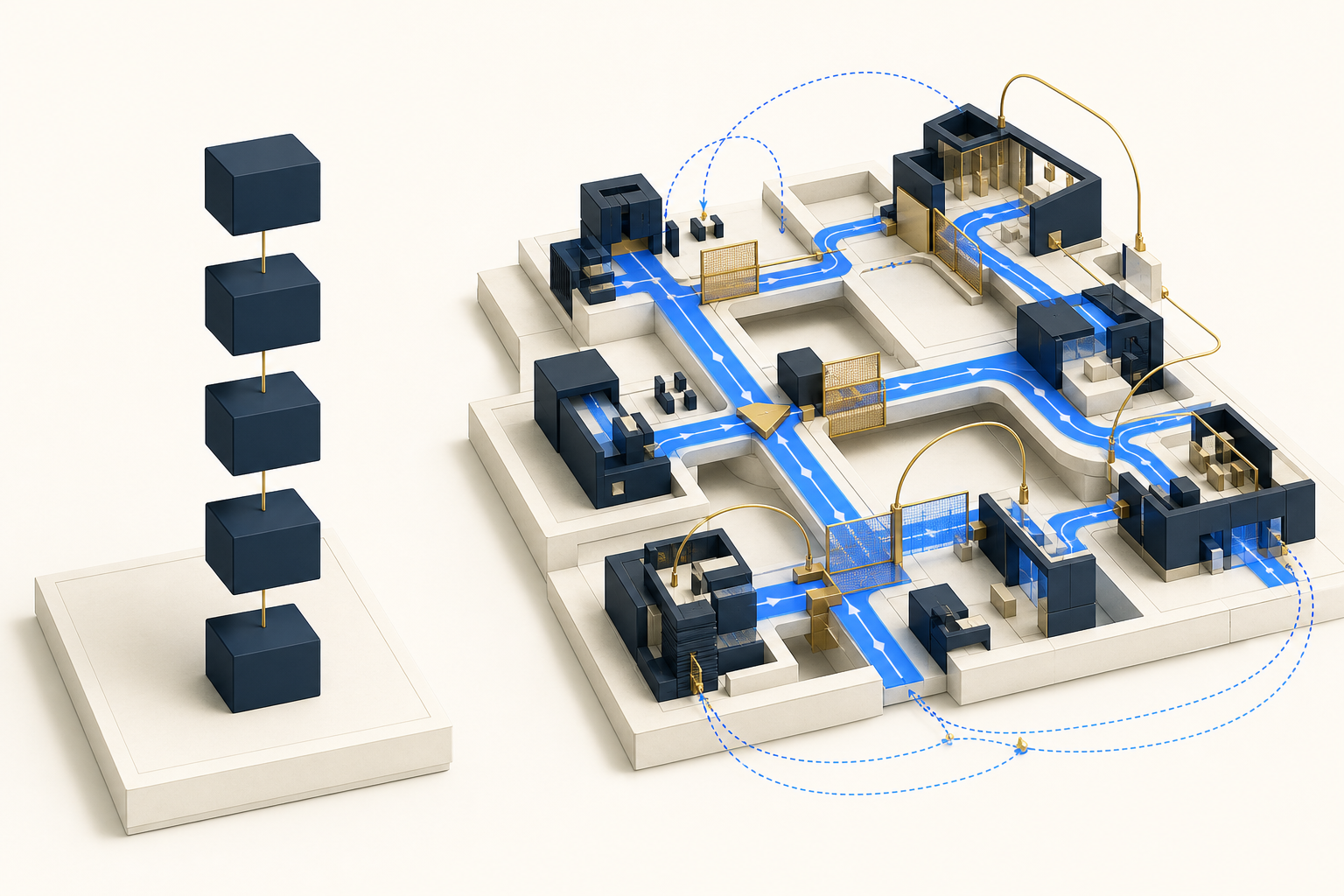
The four-part accountability system
- Outcome: one role owns a specific result.
- Authority: the role can make the decisions needed to influence it.
- Evidence: progress and exceptions are visible through agreed records or metrics.
- Review: a manager examines performance, obstacles and corrective action on a defined cadence.
Remove any one element and the system weakens. An outcome without authority creates frustration. Authority without evidence creates hidden risk. Evidence without review creates reporting without management.
Use a small operating scorecard.
A role scorecard should not become a catalogue of everything the employee does. Select the few outcomes that define whether the role is working, supported by leading indicators and clear exception signals.
Gallup’s research includes role clarity, resources, feedback and expectations among actionable workplace conditions. Accountability improves when employees know what success requires and managers continue the conversation rather than relying on a one-time job description.
Questions before holding a role accountable
- Is the expected result explicit?
- Can the role make the decisions required?
- Are dependencies on other roles defined?
- Can both employee and manager see the same evidence?
- What corrective action follows when performance moves outside the standard?
Research base
This insight combines Ragaventhra Systems’ operating-architecture methodology with the following external sources. Findings are used within their original scope and are not presented as promised client outcomes.